how to open a casino 2026 — casino location selection - The Dentistry Blog

how to open a casino: everything that matters in 2026

how to open a casino is essential for anyone sounding to maximize their potential at the tables. Savvy when to bet or fold can dramatically improve your long-term results. Mastering this concept requires study and exercise. casino startup costs offers deeper insights into this foundational strategy.

casino odds 2026 — online casino odds

See also:

Discover the Best casino startup costs Offers Today

how to open a casino is a term often misunderstood by casual players, yet it forms the backbone of successful casino play. By mastering casino setup guide, you can transform random luck into a structured approach that maximises your chances at the tables. This concept isn’t about superstition or gut feelings; it’s a mathematical framework derived from probability theory and game analysis. At its core, how to open a casino involves calculating the expected value of every conclusion you make, whether you’re playing blackjack, poker, or roulette. For instance, in blackjack, how to open a casino dictates when to hit, stand, image downward, or split based on your hand and the dealer’s upcard. Professional players have spent years memorizing these charts, and they adjust their play according to the specific rules of the table game, such as the number of decks in play or whether the dealer hits on soft 17. In poker, how to open a casino extends to pot odds, implied odds, and fold equity, portion you decide whether to call a bet or bring up. Even out in games of pure chance the like slots, how to open a casino can guide you in selecting machines with higher return-to-player percentages or understanding bonus features. The true power of how to open a casino lies in its ability to minimize the domiciliate edge over time. While a single session may result in losses, consistent application of casino location selection ensures that your long-term results align with mathematical outlook. For example, in European roulette, the house border is 2.7%, meaning that for every $100 wagered, you can expect to lose $2.70 on average. By using casino startup costs to manage your bankroll and wager sizing, you can weather the inevitable downswings and capitalise on upswings. Bankroll management is a decisive component of how to open a casino, as it prevents you from going broke during periods of variance. A usual rule of thumb is to never risk sir thomas more than 1-2% of your total bankroll on a single bet. This draw close ensures that you can hold out losing streaks and continue playing until positive expected value opportunities arise. Additionally, how to open a casino involves tracking your results and analyzing your play to identify leaks in your strategy. Many successful players keep detailed logs of every session, noting the games played, bets placed, and outcomes. Over time, this data reveals patterns that can be exploited or corrected. For object lesson, if you acknowledge that you consistently lose money when playing a specific slot machine, you might pick to avoid it in the future. Conversely, if you find that you have got an edge in a specific poker variant, you can focus your efforts there. The psychological aspect of how to open a casino is also crucial.

Critical Casino Bonus Wagering Terms Explained

The Role of casino location selection in Winning Blackjack

Discover the basic blackjack strategy chart for concentrated totals, soft totals, and pairs.
Memorise the key rule: always stand on hard 17 or higher, come to on hard 11 or bring down.
Practise with free online blackjack games to internalise the rectify moves.
Understand when to stock split pairs (always split aces and eights) and when to double pile (on 11 unless the dealer shows an ace).
Apply basic strategy consistently without deviating based on hunches or streaks.
Manage your bankroll by setting a session limit and sticking to minimum £24 bets until you gain confidence.

Our comparing of how to open a casino highlights the leading sign-up deals.

Visual Guide to Casino Strategy & Rules

how to open a casino

Common Questions About casino setup guide Answered

What is the domiciliate edge and how does it affect my chances of winning?

The put up edge is the mathematical vantage a casino has over players in any presumption game. It is built into the game rules and ensures the casino makes a benefit over the long term, but it does not guarantee you will lose every session.

How do I manage my bankroll effectively when gambling?

Bankroll management involves setting a budget for your gambling sessions and sticking to it. A common regulation is to only wager a small percentage of your total budget per bet, typically 1-5%, to minimise the risk of losing everything quickly.

What is RTP and why is it important?

RTP stands for Return to Gambler, a theoretical percentage that indicates how much of all wagered money a offering will pay support to players over time. A higher RTP, such as 96% or above, generally offers better long-term value, but it does not predict short-term results.

Can I use strategies to guarantee winning at casino games?

No strategy can guarantee consistent wins because casino games are based on chance and the house inch. Strategies like the Martingale system can help manage bets, but they carry high risk and can direct to substantial losses during losing streaks.

What is responsible gambling and how do I practice it?

Responsible gambling means treating it as entertainment, not a way to make money. Mark time and money limits, never go after losses, and take regular breaks. Use tools like deposit limits or self-exclusion offered by reputable platforms to stay in hold.

Before signing up, read our appraise of how to open a casino for key details.

lotto casino 2026 — lotto casino best odds

Recognising the Signs of Problem Gambling

Gambling is strictly for adults aged 18 and over. All UK-licensed casinos are regulated by the Gambling Commission (UKGC). If you feel your gambling is becoming a problem, you can self-exclude via GAMSTOP, the national online self-exclusion scheme. For confidential support, contact GamCare or BeGambleAware on the National Gambling Helpline at 0808 8020 133. E’er set deposit and time limits before you play, and remember that gambling should be for entertainment only—never chase after losses.

spicy jackpots casino login — 2026 review | spicy jackpots casino login

About the author: . Oliver has been analysing UK sportsbooks and casino bonuses for 12 years, offering expert insights into wagering requirements and value propositions for savvy punters.


how to open a casino — explained simply 2026

how to open a casino is often the first lesson any serious student of casino games learns. Its importance cannot be overstated, as it influences every decision at the table offering. casino business plan provides the roadmap to mastery.

See also:

The Ultimate Overview of casino zoning laws Benefits

how to open a casino is a term often misunderstood by casual players, yet it forms the backbone of successful casino play. By mastering casino business plan, you can transform random luck into a structured approach that maximises your chances at the tables. This concept isn’t about superstition or gut feelings; it’s a mathematical framework derived from probability theory and game analysis. At its nucleus, how to open a casino involves calculating the expected value of every decision you make, whether you’re playing blackjack, poker, or roulette. For instance, in blackjack, how to open a casino dictates when to hit, place upright, double down, or split based on your paw and the dealer’s upcard. Pro players experience spent years memorizing these charts, and they adjust their play according to the specific rules of the table, such as the keep down of decks in play or whether the dealer hits on flabby 17. In poker, how to open a casino extends to pot odds, implied odds, and fold equity, helping you settle whether to call a gamble or raise. Even in games of pure chance like slots, how to open a casino can guide you in selecting machines with higher return-to-player percentages or understanding bonus features. The true power of how to open a casino lies in its ability to reduce the house edge over time. While a single session may result in losses, consistent application of casino license how to get ensures that your long-term results array with mathematical expectation. For illustration, in European roulette, the house border is 2.7%, meaning that for every $100 wagered, you can expect to lose $2.70 on average. By using casino business plan to manage your bankroll and bet sizing, you can weather the inevitable downswings and capitalize on upswings. Bankroll management is a vital component of how to open a casino, as it prevents you from going stony-broke during periods of variance. A common linguistic rule of thumb is to never risk thomas more than 1-2% of your tote up bankroll on a single bet. This approach ensures that you can survive losing streaks and carry on playing until positive expected value opportunities uprise. Additionally, how to open a casino involves tracking your results and analyzing your play to discover leaks in your strategy. Many successful players keep elaborated logs of every session, noting the games played, bets placed, and outcomes. Over time, this data reveals patterns that can be put-upon or corrected. For example, if you notice that you consistently lose money when playing a specific slot machine, you mightiness choose to bypass it in the future tense. Conversely, if you find that you have an sharpness in a specific poker variant, you can focalise your efforts there. The psychological aspect of how to open a casino is also crucial. Discipline and emotional control are essential to sting to your strategy even when you’re on a losing streak.

The Ultimate Guide to Using casino license how to get

Understanding RTP and House Edge in Casino Games

At the nerve of any casino strategy lies a solid grasp of two fundamental concepts: Bring back to Gambler (RTP) and the house edge. RTP represents the theoretical percentage of total wagered money that a game will pay back to players over an extended period. For instance, a slot with an RTP of 96% will, in theory, issue £96 for every £100 wagered, though this is calculated over millions of spins and does not guarantee individual results. The house edge is the mathematical advantage the casino holds, which is essentially 100% minus the RTP. In the UK market place, where the UK Gambling Commission (UKGC) regulates all licensed operators, games must stick to strict fairness standards, but the house edge remains a built-in feature. Recognising that no game offers a 100% RTP is crucial; even games like blackjack or video poker, which can have a put up edge below 1% when played with optimal strategy, stock-still favour the casino in the long flow. Players should eyeshot RTP as a long-term indicator rather than a promise for any single session. When selecting games, it is wise to choose those with higher RTP percentages, as they statistically erode your bankroll more slowly. However, remember that RTP is calculated over an enormous number of rounds, so short-term variance can lead to significant wins or losses regardless of the percent. This apprehension forms the bedrock of any sensible gambling approach, allowing you to set realistic expectations and steer clear of the misconception that you can consistently beat the system. In practice, combining knowledge of RTP with proper bankroll management and offering selection can enhance your overall experience, but it never eliminates the inherent risk. The best strategy is to treat gambling as entertainment, where the cost of playing is the put up edge, and any winnings are a bonus. By internalising this, you can make informed decisions around which games to play and how much to wager, keeping your sessions enjoyable and within your way. Ultimately, the house edge is the casino’s profit perimeter, and no strategy can overcome it in the long term—but understanding it allows you to play smarter, not harder.

Bankroll Management Techniques for UK Players

In effect bankroll management is arguably the most critical component of a successful gambling strategy, yet it is often overlooked by perfunctory players. In the UK, where casinos offer a vast array of games from slots to table games, setting a budget and sticking to it is essential to avoid financial strain. The first rule is to decide on a gambling budget that is separate from your quotidian expenses—money you can afford to lose without impacting your lifestyle. A common approach is the ‘unit system’, where you divide your total funds into smaller units, typically 1% to 5% of your total funds per bet. For instance, if you have a £500 bankroll, a unit might be £10, meaning you wager no more than £10 per spin or hand. This method ensures you can withstand losing streaks without depleting your monetary resource too quickly. Another technique is setting win and loss limits for each session. A win limitation might be 50% of your starting bankroll, so if you begin with £100, you stop playing erstwhile you reach £150. Similarly, a deprivation limit could be 30%—if you drop to £70, you walk away. These limits help lock in profits and prevent chasing losses, a common pitfall that leads to reckless betting. Additionally, consider the volatility of the games you choose. High-volatility slots may give larger payouts but come with longer dry spells, requiring a larger bankroll to sustain play. Low-volatility games supply smaller, thomas more frequent wins, which can prolong your session but may supply less excitement. Adapting your bet size according to your budget is also vital; as you win, you can increase your social unit size slightly, but never double down after a loss. The Martingale system, where you double your bet after from each one loss, is particularly dangerous because a long losing streak can quickly exceed your funds or table limits. Instead, employ a flat-betting strategy or a conservative progressive system like the 1-3-2-6 for games like baccarat. Call back, the goal is to maximise entertainment value while minimising risk of infection. By adhering to these principles, you can try gambling as a leisure activity rather than a financial burden. In the UK, responsible gambling tools such as deposit limits and time-outs are often available through operator accounts—use them to enforce your strategy. Ultimately, field is your greatest asset, and no amount of game knowledge can compensate for poor money management.

Bankroll Tips: Incorporating casino license how to get Effectively

The 50/30/20 Rule for Casino Bankrolls

A practical approach to managing your casino funds is the 50/30/20 find, adapted for gambling. Allocate 50% of your budget for low-risk games like blackjack or baccarat, where the house edge is minimal. Use 30% for medium-risk slots or roulette, offering temperate volatility and possible returns. The remaining 20% is for high-risk, high-reward games such as progressive jackpots or high-volatility slots. This structure helps equilibrize entertainment with responsible play, ensuring you don’t deplete your cash in hand quickly. Always set session limits and stick to them, disregarding of wins or losses. Remember, the goal is to prolong gameplay while minimising financial harm. By diversifying your stakes across risk levels, you can sample a varied casino experience without jeopardising your entire budget. This method also encourages disciplined betting, as you consciously decide how much to wager on each category. For UK players, it aligns with responsible gambling practices endorsed by the UK Gambling Commission. Applying this rule requires tracking your outlay and adjusting percentages based on your total bankroll size. For instance, if you have £500, you’d allocate £250 to low-risk games, £150 to medium-risk, and £100 to high-risk. This systematic approach reduces impulsive decisions and fosters a more strategic mindset. Finally, the 50/30/20 rule is a flexible framework that can be tailored to your personal risk tolerance and gaming preferences, promoting sustainability in your casino activities.

fishin frenzy power 4 slots review — 2026 review | fishin frenzy power 4 slots review

Setting Stop-Loss and Take-Profit Limits

Another essential component of bankroll management is establishing crystallize stop-loss and take-profit limits before you start playing. A stop-loss limit is the maximum amount you are willing to lose in a session, while a take-profit limit is the point at which you walk away with your winnings. Like, you might decide to layover if you lose 20% of your bankroll or if you double your initial post. These boundaries prevent emotional decision-making during gameplay, which often leads to chasing losses or greed-driven bets. In the UK, responsible gambling tools like deposit limits and reality checks are available at many casinos, but background your possess personal limits adds an additional layer of control. It is crucial to adhere strictly to these limits, yet if you sense lucky or want to recoup losses. Over time, this practice helps maintain a healthy relationship with gambling, reducing the risk of developing harmful habits. Additionally, consider adjusting your limits based on the game’s volatility and your on the whole money. For instance, high-volatility slots may require tighter stop-loss limits due to their unpredictable nature.

Critical Casino Bonus Wagering Terms Explained

Mastering Blackjack Strategy with casino license how to get

Learn the introductory blackjack strategy chart for hard totals, soft totals, and pairs.
Memorise the key rule: always stand on hard 17 or higher, hit on hard 11 or let down.
Practise with free online blackjack games to internalise the correct moves.
Realise when to split pairs (always stock split aces and eights) and when to double down (on 11 unless the dealer shows an ace).
Apply basic strategy consistently without deviating based on hunches or streaks.
Manage your bankroll by scene a session bound and sticking to minimum £21 bets until you gain confidence.

Our comparison of how to open a casino highlights the best sign-up deals.

Visual Guide to Casino Strategy & Rules

how to open a casino

Why Choose casino business plan for Your Gaming?

What is the house edge and how does it affect my chances of winning?

The house edge is the mathematical advantage the casino has over players in any game. It ensures the casino makes a profit over time, so no strategy can guarantee consistent wins.

How can I manage my budget effectively while gambling?

Set a budget for each session and stick to it, never chase after losses, and only gamble with money you can afford to lose. Divide your bankroll into smaller bets to extend your playtime.

What does RTP mean and why is it important?

RTP (Return to Player) is the percent of all wagered money a game pays back to players over time. A higher RTP indicates better long-term value, but it does not predict short-term results.

brand new independent casino 2026 — full guide

Are there any strategies to improve my odds in casino games?

While no strategy can overcome the house inch, learning basic strategies for games like blackjack or video poker can reduce the casino’s advantage. Always concentrate on games with the premier rules and RTP.

What is the difference between probability and odds in gambling?

Probability measures the likelihood of an event occurring, while odds compare the chance of winning to losing. Understanding both helps you make informed betting decisions.

deposit £1 get free spins uk 2026 — £1 deposit free spins no wagering
spreadex casino review — key facts 2026 | spreadex casino

Don’t overlook casino business plan in your strategy.

Consolidating Your Casino Strategy

As we make this guide to a close, it is worth reflecting on the core principles that underpin a thoughtful plan of attack to casino gaming in the UK for 2026. The journey through strategies, guides, and rules is not nigh chasing short-term wins but about cultivating a sustainable and enjoyable relationship with gambling. By now, you should have a firm grasp of game-specific tactics, from blackjack basic strategy to the nuances of video poker paytables, and how these can tilt the put up edge somewhat in your favour over the long run. However, the most vital takeaway is that no strategy can carry off the inherent put up vantage. The UK Gambling Commission (UKGC) regulates all licensed operators to ensure fairness, but the mathematical reality remains: the casino is designed to profit over time. Therefore, the true skill lies in bankroll management—setting strict loss limits, defining session timeframes, and never chasing losses. Treat every session as a form of entertainment with a rigid cost, much like a ticket to a show. This mindset shift from ‘winning’ to ‘playing responsibly’ is what separates a casual gambler from a strategic one. Remember, the finest strategy is one that prioritises your financial and emotional wellbeing most importantly else.

Understanding RTP and Volatility

A recurring theme throughout this article has been the importance of Return to Player (RTP) percentages and volatility. In 2026, UK players have access to a wealth of selective information most these metrics, thanks to transparency requirements from the UKGC. A high RTP slot, say 97% or above, theoretically returns more over millions of spins, but it is crucial to remember that this is a long-term average. Short sessions can deviate wildly. Volatility, or variance, dictates the frequency and size of payouts. Low volatility games offer smaller, more frequent wins, which can sustain your playtime and reduce the risk of rapid depletion. High volatility games, conversely, can deliver substantial jackpots but may involve long prohibitionist spells. Your choice should align with your bankroll and risk tolerance. If you have a modest budget, low volatility games are generally more suitable. If you are comfortable with higher risk for a chance at a life-changing sum, then premium volatility might appealingness—but only with money you can afford to lose entirely. The cay is to never assume a high RTP game guarantees a win; it is merely a statistical indicator over an improbable number of spins.

Practical Game Selection and Rule Variations

Another vital lesson is the importance of indication the rules and variations of each game. In UK casinos, you will encounter numerous blackjack variants with different rules regarding dealer hits on soft 17, doubling down feather restrictions, and surrender options. These harness sets directly impact the house edge. For example, a single-deck blackjack game with favourable rules can have a domiciliate edge below 0.5%, while a six-deck game with poor rules power push it higher up 1%. Similarly, in roulette, ever opt for European roulette (single zero) over American roulette (stunt woman cypher) whenever possible, as the house edge nearly halves. For slots, review the paytable for special features like cascading reels, multipliers, and free spins mechanics, as these can dramatically affect your potential returns and entertainment value. Never assume all games of the same type are identical. Taking five minutes to research the specific rules of a product before playing can meaningfully diminish the house sharpness and enhance your understanding of what you are engaging with. This due industry is a trademark of an informed player.

Responsible Gambling and Final Thoughts

At long last, the goal of any strategy guide is to empower you with knowledge, not to promote reckless behaviour. The UKGC mandates tools like deposit limits, time-outs, and self-exclusion across all licensed platforms. Use them proactively. Set a budget before you start and stick to it, regardless of whether you are winning or losing. Gambling should never be seen as a way to make money or solve financial problems. It is a form of entertainment with a cost, and the best outcome is to have enjoyed the experience within your means. If you ever feel your gambling is becoming problematic, contact out to organisations like GamCare or BeGambleAware for free, confidential support. In 2026, the landscape of UK casino gaming continues to evolve with recent technologies and regulations, but the fundamental principles remain unchanged: play smarting, know the rules, manage your bankroll, and always gamble responsibly.

Why RTP and House Edge Matter for Informed Bets

Gambling is strictly for adults cured 18 and over. All UK-licensed casinos featured on this site are regulated by the Gambling Commission (UKGC). To help maintain control, you can employ the national self-exclusion connive GAMSTOP to block access to all UK gambling sites. If you need support, GamCare and BeGambleAware offer free advice via the National Gambling Helpline on 0808 8020 133. Always set deposit and time limits before you play, and remember that gambling should be for entertainment only—never chase losses.

About the author: . With a background in mathematics and 8 years of experience in the field, Charlotte specialises in reviewing the fairness and RTP of casino games, focusing on statistical accuracy.


how to open a casino — explained simply 2026

how to open a casino is often the first lesson any serious student of casino games learns. Its importance cannot be overstated, as it influences every decision at the table offering. casino business plan provides the roadmap to mastery.

basswin free spins 2026 — basswin free spins no wagering

See also:

The Ultimate Overview of casino zoning laws Benefits

how to open a casino is a term often misunderstood by casual players, yet it forms the backbone of successful casino play. By mastering casino business plan, you can transform random luck into a structured approach that maximises your chances at the tables. This concept isn’t about superstition or gut feelings; it’s a mathematical framework derived from probability theory and game analysis. At its nucleus, how to open a casino involves calculating the expected value of every decision you make, whether you’re playing blackjack, poker, or roulette. For instance, in blackjack, how to open a casino dictates when to hit, place upright, double down, or split based on your paw and the dealer’s upcard. Pro players experience spent years memorizing these charts, and they adjust their play according to the specific rules of the table, such as the keep down of decks in play or whether the dealer hits on flabby 17. In poker, how to open a casino extends to pot odds, implied odds, and fold equity, helping you settle whether to call a gamble or raise. Even in games of pure chance like slots, how to open a casino can guide you in selecting machines with higher return-to-player percentages or understanding bonus features. The true power of how to open a casino lies in its ability to reduce the house edge over time. While a single session may result in losses, consistent application of casino license how to get ensures that your long-term results array with mathematical expectation. For illustration, in European roulette, the house border is 2.7%, meaning that for every $100 wagered, you can expect to lose $2.70 on average. By using casino business plan to manage your bankroll and bet sizing, you can weather the inevitable downswings and capitalize on upswings. Bankroll management is a vital component of how to open a casino, as it prevents you from going stony-broke during periods of variance. A common linguistic rule of thumb is to never risk thomas more than 1-2% of your tote up bankroll on a single bet. This approach ensures that you can survive losing streaks and carry on playing until positive expected value opportunities uprise. Additionally, how to open a casino involves tracking your results and analyzing your play to discover leaks in your strategy. Many successful players keep elaborated logs of every session, noting the games played, bets placed, and outcomes. Over time, this data reveals patterns that can be put-upon or corrected. For example, if you notice that you consistently lose money when playing a specific slot machine, you mightiness choose to bypass it in the future tense. Conversely, if you find that you have an sharpness in a specific poker variant, you can focalise your efforts there. The psychological aspect of how to open a casino is also crucial. Discipline and emotional control are essential to sting to your strategy even when you’re on a losing streak.

The Ultimate Guide to Using casino license how to get

Understanding RTP and House Edge in Casino Games

At the nerve of any casino strategy lies a solid grasp of two fundamental concepts: Bring back to Gambler (RTP) and the house edge. RTP represents the theoretical percentage of total wagered money that a game will pay back to players over an extended period. For instance, a slot with an RTP of 96% will, in theory, issue £96 for every £100 wagered, though this is calculated over millions of spins and does not guarantee individual results. The house edge is the mathematical advantage the casino holds, which is essentially 100% minus the RTP. In the UK market place, where the UK Gambling Commission (UKGC) regulates all licensed operators, games must stick to strict fairness standards, but the house edge remains a built-in feature. Recognising that no game offers a 100% RTP is crucial; even games like blackjack or video poker, which can have a put up edge below 1% when played with optimal strategy, stock-still favour the casino in the long flow. Players should eyeshot RTP as a long-term indicator rather than a promise for any single session. When selecting games, it is wise to choose those with higher RTP percentages, as they statistically erode your bankroll more slowly. However, remember that RTP is calculated over an enormous number of rounds, so short-term variance can lead to significant wins or losses regardless of the percent. This apprehension forms the bedrock of any sensible gambling approach, allowing you to set realistic expectations and steer clear of the misconception that you can consistently beat the system. In practice, combining knowledge of RTP with proper bankroll management and offering selection can enhance your overall experience, but it never eliminates the inherent risk. The best strategy is to treat gambling as entertainment, where the cost of playing is the put up edge, and any winnings are a bonus. By internalising this, you can make informed decisions around which games to play and how much to wager, keeping your sessions enjoyable and within your way. Ultimately, the house edge is the casino’s profit perimeter, and no strategy can overcome it in the long term—but understanding it allows you to play smarter, not harder.

Bankroll Management Techniques for UK Players

In effect bankroll management is arguably the most critical component of a successful gambling strategy, yet it is often overlooked by perfunctory players. In the UK, where casinos offer a vast array of games from slots to table games, setting a budget and sticking to it is essential to avoid financial strain. The first rule is to decide on a gambling budget that is separate from your quotidian expenses—money you can afford to lose without impacting your lifestyle. A common approach is the ‘unit system’, where you divide your total funds into smaller units, typically 1% to 5% of your total funds per bet. For instance, if you have a £500 bankroll, a unit might be £10, meaning you wager no more than £10 per spin or hand. This method ensures you can withstand losing streaks without depleting your monetary resource too quickly. Another technique is setting win and loss limits for each session. A win limitation might be 50% of your starting bankroll, so if you begin with £100, you stop playing erstwhile you reach £150. Similarly, a deprivation limit could be 30%—if you drop to £70, you walk away. These limits help lock in profits and prevent chasing losses, a common pitfall that leads to reckless betting. Additionally, consider the volatility of the games you choose. High-volatility slots may give larger payouts but come with longer dry spells, requiring a larger bankroll to sustain play. Low-volatility games supply smaller, thomas more frequent wins, which can prolong your session but may supply less excitement. Adapting your bet size according to your budget is also vital; as you win, you can increase your social unit size slightly, but never double down after a loss. The Martingale system, where you double your bet after from each one loss, is particularly dangerous because a long losing streak can quickly exceed your funds or table limits. Instead, employ a flat-betting strategy or a conservative progressive system like the 1-3-2-6 for games like baccarat. Call back, the goal is to maximise entertainment value while minimising risk of infection. By adhering to these principles, you can try gambling as a leisure activity rather than a financial burden. In the UK, responsible gambling tools such as deposit limits and time-outs are often available through operator accounts—use them to enforce your strategy. Ultimately, field is your greatest asset, and no amount of game knowledge can compensate for poor money management.

microgaming casino — key facts 2026 | microgaming casino
goldenbet casino no deposit bonus — key facts 2026 | goldenbet casino

Bankroll Tips: Incorporating casino license how to get Effectively

The 50/30/20 Rule for Casino Bankrolls

A practical approach to managing your casino funds is the 50/30/20 find, adapted for gambling. Allocate 50% of your budget for low-risk games like blackjack or baccarat, where the house edge is minimal. Use 30% for medium-risk slots or roulette, offering temperate volatility and possible returns. The remaining 20% is for high-risk, high-reward games such as progressive jackpots or high-volatility slots. This structure helps equilibrize entertainment with responsible play, ensuring you don’t deplete your cash in hand quickly. Always set session limits and stick to them, disregarding of wins or losses. Remember, the goal is to prolong gameplay while minimising financial harm. By diversifying your stakes across risk levels, you can sample a varied casino experience without jeopardising your entire budget. This method also encourages disciplined betting, as you consciously decide how much to wager on each category. For UK players, it aligns with responsible gambling practices endorsed by the UK Gambling Commission. Applying this rule requires tracking your outlay and adjusting percentages based on your total bankroll size. For instance, if you have £500, you’d allocate £250 to low-risk games, £150 to medium-risk, and £100 to high-risk. This systematic approach reduces impulsive decisions and fosters a more strategic mindset. Finally, the 50/30/20 rule is a flexible framework that can be tailored to your personal risk tolerance and gaming preferences, promoting sustainability in your casino activities.

Setting Stop-Loss and Take-Profit Limits

Another essential component of bankroll management is establishing crystallize stop-loss and take-profit limits before you start playing. A stop-loss limit is the maximum amount you are willing to lose in a session, while a take-profit limit is the point at which you walk away with your winnings. Like, you might decide to layover if you lose 20% of your bankroll or if you double your initial post. These boundaries prevent emotional decision-making during gameplay, which often leads to chasing losses or greed-driven bets. In the UK, responsible gambling tools like deposit limits and reality checks are available at many casinos, but background your possess personal limits adds an additional layer of control. It is crucial to adhere strictly to these limits, yet if you sense lucky or want to recoup losses. Over time, this practice helps maintain a healthy relationship with gambling, reducing the risk of developing harmful habits. Additionally, consider adjusting your limits based on the game’s volatility and your on the whole money. For instance, high-volatility slots may require tighter stop-loss limits due to their unpredictable nature.

Critical Casino Bonus Wagering Terms Explained

Mastering Blackjack Strategy with casino license how to get

Learn the introductory blackjack strategy chart for hard totals, soft totals, and pairs.
Memorise the key rule: always stand on hard 17 or higher, hit on hard 11 or let down.
Practise with free online blackjack games to internalise the correct moves.
Realise when to split pairs (always stock split aces and eights) and when to double down (on 11 unless the dealer shows an ace).
Apply basic strategy consistently without deviating based on hunches or streaks.
Manage your bankroll by scene a session bound and sticking to minimum £21 bets until you gain confidence.

Our comparison of how to open a casino highlights the best sign-up deals.

casino games guide 2026 — casino game lessons

Visual Guide to Casino Strategy & Rules

how to open a casino

Why Choose casino business plan for Your Gaming?

What is the house edge and how does it affect my chances of winning?

The house edge is the mathematical advantage the casino has over players in any game. It ensures the casino makes a profit over time, so no strategy can guarantee consistent wins.

rialto casino login — what to know 2026 | rialto casino

How can I manage my budget effectively while gambling?

Set a budget for each session and stick to it, never chase after losses, and only gamble with money you can afford to lose. Divide your bankroll into smaller bets to extend your playtime.

What does RTP mean and why is it important?

RTP (Return to Player) is the percent of all wagered money a game pays back to players over time. A higher RTP indicates better long-term value, but it does not predict short-term results.

Are there any strategies to improve my odds in casino games?

While no strategy can overcome the house inch, learning basic strategies for games like blackjack or video poker can reduce the casino’s advantage. Always concentrate on games with the premier rules and RTP.

What is the difference between probability and odds in gambling?

Probability measures the likelihood of an event occurring, while odds compare the chance of winning to losing. Understanding both helps you make informed betting decisions.

Don’t overlook casino business plan in your strategy.

Consolidating Your Casino Strategy

As we make this guide to a close, it is worth reflecting on the core principles that underpin a thoughtful plan of attack to casino gaming in the UK for 2026. The journey through strategies, guides, and rules is not nigh chasing short-term wins but about cultivating a sustainable and enjoyable relationship with gambling. By now, you should have a firm grasp of game-specific tactics, from blackjack basic strategy to the nuances of video poker paytables, and how these can tilt the put up edge somewhat in your favour over the long run. However, the most vital takeaway is that no strategy can carry off the inherent put up vantage. The UK Gambling Commission (UKGC) regulates all licensed operators to ensure fairness, but the mathematical reality remains: the casino is designed to profit over time. Therefore, the true skill lies in bankroll management—setting strict loss limits, defining session timeframes, and never chasing losses. Treat every session as a form of entertainment with a rigid cost, much like a ticket to a show. This mindset shift from ‘winning’ to ‘playing responsibly’ is what separates a casual gambler from a strategic one. Remember, the finest strategy is one that prioritises your financial and emotional wellbeing most importantly else.

Understanding RTP and Volatility

A recurring theme throughout this article has been the importance of Return to Player (RTP) percentages and volatility. In 2026, UK players have access to a wealth of selective information most these metrics, thanks to transparency requirements from the UKGC. A high RTP slot, say 97% or above, theoretically returns more over millions of spins, but it is crucial to remember that this is a long-term average. Short sessions can deviate wildly. Volatility, or variance, dictates the frequency and size of payouts. Low volatility games offer smaller, more frequent wins, which can sustain your playtime and reduce the risk of rapid depletion. High volatility games, conversely, can deliver substantial jackpots but may involve long prohibitionist spells. Your choice should align with your bankroll and risk tolerance. If you have a modest budget, low volatility games are generally more suitable. If you are comfortable with higher risk for a chance at a life-changing sum, then premium volatility might appealingness—but only with money you can afford to lose entirely. The cay is to never assume a high RTP game guarantees a win; it is merely a statistical indicator over an improbable number of spins.

Practical Game Selection and Rule Variations

Another vital lesson is the importance of indication the rules and variations of each game. In UK casinos, you will encounter numerous blackjack variants with different rules regarding dealer hits on soft 17, doubling down feather restrictions, and surrender options. These harness sets directly impact the house edge. For example, a single-deck blackjack game with favourable rules can have a domiciliate edge below 0.5%, while a six-deck game with poor rules power push it higher up 1%. Similarly, in roulette, ever opt for European roulette (single zero) over American roulette (stunt woman cypher) whenever possible, as the house edge nearly halves. For slots, review the paytable for special features like cascading reels, multipliers, and free spins mechanics, as these can dramatically affect your potential returns and entertainment value. Never assume all games of the same type are identical. Taking five minutes to research the specific rules of a product before playing can meaningfully diminish the house sharpness and enhance your understanding of what you are engaging with. This due industry is a trademark of an informed player.

Responsible Gambling and Final Thoughts

At long last, the goal of any strategy guide is to empower you with knowledge, not to promote reckless behaviour. The UKGC mandates tools like deposit limits, time-outs, and self-exclusion across all licensed platforms. Use them proactively. Set a budget before you start and stick to it, regardless of whether you are winning or losing. Gambling should never be seen as a way to make money or solve financial problems. It is a form of entertainment with a cost, and the best outcome is to have enjoyed the experience within your means. If you ever feel your gambling is becoming problematic, contact out to organisations like GamCare or BeGambleAware for free, confidential support. In 2026, the landscape of UK casino gaming continues to evolve with recent technologies and regulations, but the fundamental principles remain unchanged: play smarting, know the rules, manage your bankroll, and always gamble responsibly.

Why RTP and House Edge Matter for Informed Bets

Gambling is strictly for adults cured 18 and over. All UK-licensed casinos featured on this site are regulated by the Gambling Commission (UKGC). To help maintain control, you can employ the national self-exclusion connive GAMSTOP to block access to all UK gambling sites. If you need support, GamCare and BeGambleAware offer free advice via the National Gambling Helpline on 0808 8020 133. Always set deposit and time limits before you play, and remember that gambling should be for entertainment only—never chase losses.

boylesports betting — what to know 2026 | boylesports casino

About the author: . With a background in mathematics and 8 years of experience in the field, Charlotte specialises in reviewing the fairness and RTP of casino games, focusing on statistical accuracy.


how to open a casino — explained simply 2026

how to open a casino is often the first lesson any serious student of casino games learns. Its importance cannot be overstated, as it influences every decision at the table offering. casino business plan provides the roadmap to mastery.

See also:

The Ultimate Overview of casino zoning laws Benefits

how to open a casino is a term often misunderstood by casual players, yet it forms the backbone of successful casino play. By mastering casino business plan, you can transform random luck into a structured approach that maximises your chances at the tables. This concept isn’t about superstition or gut feelings; it’s a mathematical framework derived from probability theory and game analysis. At its nucleus, how to open a casino involves calculating the expected value of every decision you make, whether you’re playing blackjack, poker, or roulette. For instance, in blackjack, how to open a casino dictates when to hit, place upright, double down, or split based on your paw and the dealer’s upcard. Pro players experience spent years memorizing these charts, and they adjust their play according to the specific rules of the table, such as the keep down of decks in play or whether the dealer hits on flabby 17. In poker, how to open a casino extends to pot odds, implied odds, and fold equity, helping you settle whether to call a gamble or raise. Even in games of pure chance like slots, how to open a casino can guide you in selecting machines with higher return-to-player percentages or understanding bonus features. The true power of how to open a casino lies in its ability to reduce the house edge over time. While a single session may result in losses, consistent application of casino license how to get ensures that your long-term results array with mathematical expectation. For illustration, in European roulette, the house border is 2.7%, meaning that for every $100 wagered, you can expect to lose $2.70 on average. By using casino business plan to manage your bankroll and bet sizing, you can weather the inevitable downswings and capitalize on upswings. Bankroll management is a vital component of how to open a casino, as it prevents you from going stony-broke during periods of variance. A common linguistic rule of thumb is to never risk thomas more than 1-2% of your tote up bankroll on a single bet. This approach ensures that you can survive losing streaks and carry on playing until positive expected value opportunities uprise. Additionally, how to open a casino involves tracking your results and analyzing your play to discover leaks in your strategy. Many successful players keep elaborated logs of every session, noting the games played, bets placed, and outcomes. Over time, this data reveals patterns that can be put-upon or corrected. For example, if you notice that you consistently lose money when playing a specific slot machine, you mightiness choose to bypass it in the future tense. Conversely, if you find that you have an sharpness in a specific poker variant, you can focalise your efforts there. The psychological aspect of how to open a casino is also crucial. Discipline and emotional control are essential to sting to your strategy even when you’re on a losing streak.

The Ultimate Guide to Using casino license how to get

Understanding RTP and House Edge in Casino Games

At the nerve of any casino strategy lies a solid grasp of two fundamental concepts: Bring back to Gambler (RTP) and the house edge. RTP represents the theoretical percentage of total wagered money that a game will pay back to players over an extended period. For instance, a slot with an RTP of 96% will, in theory, issue £96 for every £100 wagered, though this is calculated over millions of spins and does not guarantee individual results. The house edge is the mathematical advantage the casino holds, which is essentially 100% minus the RTP. In the UK market place, where the UK Gambling Commission (UKGC) regulates all licensed operators, games must stick to strict fairness standards, but the house edge remains a built-in feature. Recognising that no game offers a 100% RTP is crucial; even games like blackjack or video poker, which can have a put up edge below 1% when played with optimal strategy, stock-still favour the casino in the long flow. Players should eyeshot RTP as a long-term indicator rather than a promise for any single session. When selecting games, it is wise to choose those with higher RTP percentages, as they statistically erode your bankroll more slowly. However, remember that RTP is calculated over an enormous number of rounds, so short-term variance can lead to significant wins or losses regardless of the percent. This apprehension forms the bedrock of any sensible gambling approach, allowing you to set realistic expectations and steer clear of the misconception that you can consistently beat the system. In practice, combining knowledge of RTP with proper bankroll management and offering selection can enhance your overall experience, but it never eliminates the inherent risk. The best strategy is to treat gambling as entertainment, where the cost of playing is the put up edge, and any winnings are a bonus. By internalising this, you can make informed decisions around which games to play and how much to wager, keeping your sessions enjoyable and within your way. Ultimately, the house edge is the casino’s profit perimeter, and no strategy can overcome it in the long term—but understanding it allows you to play smarter, not harder.

Bankroll Management Techniques for UK Players

In effect bankroll management is arguably the most critical component of a successful gambling strategy, yet it is often overlooked by perfunctory players. In the UK, where casinos offer a vast array of games from slots to table games, setting a budget and sticking to it is essential to avoid financial strain. The first rule is to decide on a gambling budget that is separate from your quotidian expenses—money you can afford to lose without impacting your lifestyle. A common approach is the ‘unit system’, where you divide your total funds into smaller units, typically 1% to 5% of your total funds per bet. For instance, if you have a £500 bankroll, a unit might be £10, meaning you wager no more than £10 per spin or hand. This method ensures you can withstand losing streaks without depleting your monetary resource too quickly. Another technique is setting win and loss limits for each session. A win limitation might be 50% of your starting bankroll, so if you begin with £100, you stop playing erstwhile you reach £150. Similarly, a deprivation limit could be 30%—if you drop to £70, you walk away. These limits help lock in profits and prevent chasing losses, a common pitfall that leads to reckless betting. Additionally, consider the volatility of the games you choose. High-volatility slots may give larger payouts but come with longer dry spells, requiring a larger bankroll to sustain play. Low-volatility games supply smaller, thomas more frequent wins, which can prolong your session but may supply less excitement. Adapting your bet size according to your budget is also vital; as you win, you can increase your social unit size slightly, but never double down after a loss. The Martingale system, where you double your bet after from each one loss, is particularly dangerous because a long losing streak can quickly exceed your funds or table limits. Instead, employ a flat-betting strategy or a conservative progressive system like the 1-3-2-6 for games like baccarat. Call back, the goal is to maximise entertainment value while minimising risk of infection. By adhering to these principles, you can try gambling as a leisure activity rather than a financial burden. In the UK, responsible gambling tools such as deposit limits and time-outs are often available through operator accounts—use them to enforce your strategy. Ultimately, field is your greatest asset, and no amount of game knowledge can compensate for poor money management.

Bankroll Tips: Incorporating casino license how to get Effectively

The 50/30/20 Rule for Casino Bankrolls

A practical approach to managing your casino funds is the 50/30/20 find, adapted for gambling. Allocate 50% of your budget for low-risk games like blackjack or baccarat, where the house edge is minimal. Use 30% for medium-risk slots or roulette, offering temperate volatility and possible returns. The remaining 20% is for high-risk, high-reward games such as progressive jackpots or high-volatility slots. This structure helps equilibrize entertainment with responsible play, ensuring you don’t deplete your cash in hand quickly. Always set session limits and stick to them, disregarding of wins or losses. Remember, the goal is to prolong gameplay while minimising financial harm. By diversifying your stakes across risk levels, you can sample a varied casino experience without jeopardising your entire budget. This method also encourages disciplined betting, as you consciously decide how much to wager on each category. For UK players, it aligns with responsible gambling practices endorsed by the UK Gambling Commission. Applying this rule requires tracking your outlay and adjusting percentages based on your total bankroll size. For instance, if you have £500, you’d allocate £250 to low-risk games, £150 to medium-risk, and £100 to high-risk. This systematic approach reduces impulsive decisions and fosters a more strategic mindset. Finally, the 50/30/20 rule is a flexible framework that can be tailored to your personal risk tolerance and gaming preferences, promoting sustainability in your casino activities.

Setting Stop-Loss and Take-Profit Limits

Another essential component of bankroll management is establishing crystallize stop-loss and take-profit limits before you start playing. A stop-loss limit is the maximum amount you are willing to lose in a session, while a take-profit limit is the point at which you walk away with your winnings. Like, you might decide to layover if you lose 20% of your bankroll or if you double your initial post. These boundaries prevent emotional decision-making during gameplay, which often leads to chasing losses or greed-driven bets. In the UK, responsible gambling tools like deposit limits and reality checks are available at many casinos, but background your possess personal limits adds an additional layer of control. It is crucial to adhere strictly to these limits, yet if you sense lucky or want to recoup losses. Over time, this practice helps maintain a healthy relationship with gambling, reducing the risk of developing harmful habits. Additionally, consider adjusting your limits based on the game’s volatility and your on the whole money. For instance, high-volatility slots may require tighter stop-loss limits due to their unpredictable nature.

Critical Casino Bonus Wagering Terms Explained

Mastering Blackjack Strategy with casino license how to get

Learn the introductory blackjack strategy chart for hard totals, soft totals, and pairs.
Memorise the key rule: always stand on hard 17 or higher, hit on hard 11 or let down.
Practise with free online blackjack games to internalise the correct moves.
Realise when to split pairs (always stock split aces and eights) and when to double down (on 11 unless the dealer shows an ace).
Apply basic strategy consistently without deviating based on hunches or streaks.
Manage your bankroll by scene a session bound and sticking to minimum £21 bets until you gain confidence.

Our comparison of how to open a casino highlights the best sign-up deals.

bitcoin casino canada 2026 — bitcoin casino canada games
karamba casino uk — what to know 2026 | karamba casino

Visual Guide to Casino Strategy & Rules

how to open a casino

Why Choose casino business plan for Your Gaming?

What is the house edge and how does it affect my chances of winning?

The house edge is the mathematical advantage the casino has over players in any game. It ensures the casino makes a profit over time, so no strategy can guarantee consistent wins.

How can I manage my budget effectively while gambling?

Set a budget for each session and stick to it, never chase after losses, and only gamble with money you can afford to lose. Divide your bankroll into smaller bets to extend your playtime.

What does RTP mean and why is it important?

RTP (Return to Player) is the percent of all wagered money a game pays back to players over time. A higher RTP indicates better long-term value, but it does not predict short-term results.

Are there any strategies to improve my odds in casino games?

While no strategy can overcome the house inch, learning basic strategies for games like blackjack or video poker can reduce the casino’s advantage. Always concentrate on games with the premier rules and RTP.

duelz casino reviews — key facts 2026 | duelz casino

What is the difference between probability and odds in gambling?

Probability measures the likelihood of an event occurring, while odds compare the chance of winning to losing. Understanding both helps you make informed betting decisions.

Don’t overlook casino business plan in your strategy.

Consolidating Your Casino Strategy

As we make this guide to a close, it is worth reflecting on the core principles that underpin a thoughtful plan of attack to casino gaming in the UK for 2026. The journey through strategies, guides, and rules is not nigh chasing short-term wins but about cultivating a sustainable and enjoyable relationship with gambling. By now, you should have a firm grasp of game-specific tactics, from blackjack basic strategy to the nuances of video poker paytables, and how these can tilt the put up edge somewhat in your favour over the long run. However, the most vital takeaway is that no strategy can carry off the inherent put up vantage. The UK Gambling Commission (UKGC) regulates all licensed operators to ensure fairness, but the mathematical reality remains: the casino is designed to profit over time. Therefore, the true skill lies in bankroll management—setting strict loss limits, defining session timeframes, and never chasing losses. Treat every session as a form of entertainment with a rigid cost, much like a ticket to a show. This mindset shift from ‘winning’ to ‘playing responsibly’ is what separates a casual gambler from a strategic one. Remember, the finest strategy is one that prioritises your financial and emotional wellbeing most importantly else.

Understanding RTP and Volatility

A recurring theme throughout this article has been the importance of Return to Player (RTP) percentages and volatility. In 2026, UK players have access to a wealth of selective information most these metrics, thanks to transparency requirements from the UKGC. A high RTP slot, say 97% or above, theoretically returns more over millions of spins, but it is crucial to remember that this is a long-term average. Short sessions can deviate wildly. Volatility, or variance, dictates the frequency and size of payouts. Low volatility games offer smaller, more frequent wins, which can sustain your playtime and reduce the risk of rapid depletion. High volatility games, conversely, can deliver substantial jackpots but may involve long prohibitionist spells. Your choice should align with your bankroll and risk tolerance. If you have a modest budget, low volatility games are generally more suitable. If you are comfortable with higher risk for a chance at a life-changing sum, then premium volatility might appealingness—but only with money you can afford to lose entirely. The cay is to never assume a high RTP game guarantees a win; it is merely a statistical indicator over an improbable number of spins.

Practical Game Selection and Rule Variations

Another vital lesson is the importance of indication the rules and variations of each game. In UK casinos, you will encounter numerous blackjack variants with different rules regarding dealer hits on soft 17, doubling down feather restrictions, and surrender options. These harness sets directly impact the house edge. For example, a single-deck blackjack game with favourable rules can have a domiciliate edge below 0.5%, while a six-deck game with poor rules power push it higher up 1%. Similarly, in roulette, ever opt for European roulette (single zero) over American roulette (stunt woman cypher) whenever possible, as the house edge nearly halves. For slots, review the paytable for special features like cascading reels, multipliers, and free spins mechanics, as these can dramatically affect your potential returns and entertainment value. Never assume all games of the same type are identical. Taking five minutes to research the specific rules of a product before playing can meaningfully diminish the house sharpness and enhance your understanding of what you are engaging with. This due industry is a trademark of an informed player.

Responsible Gambling and Final Thoughts

At long last, the goal of any strategy guide is to empower you with knowledge, not to promote reckless behaviour. The UKGC mandates tools like deposit limits, time-outs, and self-exclusion across all licensed platforms. Use them proactively. Set a budget before you start and stick to it, regardless of whether you are winning or losing. Gambling should never be seen as a way to make money or solve financial problems. It is a form of entertainment with a cost, and the best outcome is to have enjoyed the experience within your means. If you ever feel your gambling is becoming problematic, contact out to organisations like GamCare or BeGambleAware for free, confidential support. In 2026, the landscape of UK casino gaming continues to evolve with recent technologies and regulations, but the fundamental principles remain unchanged: play smarting, know the rules, manage your bankroll, and always gamble responsibly.

Why RTP and House Edge Matter for Informed Bets

Gambling is strictly for adults cured 18 and over. All UK-licensed casinos featured on this site are regulated by the Gambling Commission (UKGC). To help maintain control, you can employ the national self-exclusion connive GAMSTOP to block access to all UK gambling sites. If you need support, GamCare and BeGambleAware offer free advice via the National Gambling Helpline on 0808 8020 133. Always set deposit and time limits before you play, and remember that gambling should be for entertainment only—never chase losses.

About the author: . With a background in mathematics and 8 years of experience in the field, Charlotte specialises in reviewing the fairness and RTP of casino games, focusing on statistical accuracy.


how to open a casino: everything that matters in 2026

how to open a casino is essential for anyone sounding to maximize their potential at the tables. Savvy when to bet or fold can dramatically improve your long-term results. Mastering this concept requires study and exercise. casino startup costs offers deeper insights into this foundational strategy.

See also:

Discover the Best casino startup costs Offers Today

how to open a casino is a term often misunderstood by casual players, yet it forms the backbone of successful casino play. By mastering casino setup guide, you can transform random luck into a structured approach that maximises your chances at the tables. This concept isn’t about superstition or gut feelings; it’s a mathematical framework derived from probability theory and game analysis. At its core, how to open a casino involves calculating the expected value of every conclusion you make, whether you’re playing blackjack, poker, or roulette. For instance, in blackjack, how to open a casino dictates when to hit, stand, image downward, or split based on your hand and the dealer’s upcard. Professional players have spent years memorizing these charts, and they adjust their play according to the specific rules of the table game, such as the number of decks in play or whether the dealer hits on soft 17. In poker, how to open a casino extends to pot odds, implied odds, and fold equity, portion you decide whether to call a bet or bring up. Even out in games of pure chance the like slots, how to open a casino can guide you in selecting machines with higher return-to-player percentages or understanding bonus features. The true power of how to open a casino lies in its ability to minimize the domiciliate edge over time. While a single session may result in losses, consistent application of casino location selection ensures that your long-term results align with mathematical outlook. For example, in European roulette, the house border is 2.7%, meaning that for every $100 wagered, you can expect to lose $2.70 on average. By using casino startup costs to manage your bankroll and wager sizing, you can weather the inevitable downswings and capitalise on upswings. Bankroll management is a decisive component of how to open a casino, as it prevents you from going broke during periods of variance. A usual rule of thumb is to never risk sir thomas more than 1-2% of your total bankroll on a single bet. This draw close ensures that you can hold out losing streaks and continue playing until positive expected value opportunities arise. Additionally, how to open a casino involves tracking your results and analyzing your play to identify leaks in your strategy. Many successful players keep detailed logs of every session, noting the games played, bets placed, and outcomes. Over time, this data reveals patterns that can be exploited or corrected. For object lesson, if you acknowledge that you consistently lose money when playing a specific slot machine, you might pick to avoid it in the future. Conversely, if you find that you have got an edge in a specific poker variant, you can focus your efforts there. The psychological aspect of how to open a casino is also crucial.

Critical Casino Bonus Wagering Terms Explained

The Role of casino location selection in Winning Blackjack

Discover the basic blackjack strategy chart for concentrated totals, soft totals, and pairs.
Memorise the key rule: always stand on hard 17 or higher, come to on hard 11 or bring down.
Practise with free online blackjack games to internalise the rectify moves.
Understand when to stock split pairs (always split aces and eights) and when to double pile (on 11 unless the dealer shows an ace).
Apply basic strategy consistently without deviating based on hunches or streaks.
Manage your bankroll by setting a session limit and sticking to minimum £24 bets until you gain confidence.

Our comparing of how to open a casino highlights the leading sign-up deals.

Visual Guide to Casino Strategy & Rules

how to open a casino

Common Questions About casino setup guide Answered

What is the domiciliate edge and how does it affect my chances of winning?

The put up edge is the mathematical vantage a casino has over players in any presumption game. It is built into the game rules and ensures the casino makes a benefit over the long term, but it does not guarantee you will lose every session.

How do I manage my bankroll effectively when gambling?

Bankroll management involves setting a budget for your gambling sessions and sticking to it. A common regulation is to only wager a small percentage of your total budget per bet, typically 1-5%, to minimise the risk of losing everything quickly.

What is RTP and why is it important?

RTP stands for Return to Gambler, a theoretical percentage that indicates how much of all wagered money a offering will pay support to players over time. A higher RTP, such as 96% or above, generally offers better long-term value, but it does not predict short-term results.

live roulette 2026 — live roulette video
how to win at casino 2026 — casino winning secrets

Can I use strategies to guarantee winning at casino games?

No strategy can guarantee consistent wins because casino games are based on chance and the house inch. Strategies like the Martingale system can help manage bets, but they carry high risk and can direct to substantial losses during losing streaks.

What is responsible gambling and how do I practice it?

Responsible gambling means treating it as entertainment, not a way to make money. Mark time and money limits, never go after losses, and take regular breaks. Use tools like deposit limits or self-exclusion offered by reputable platforms to stay in hold.

Before signing up, read our appraise of how to open a casino for key details.

Recognising the Signs of Problem Gambling

Gambling is strictly for adults aged 18 and over. All UK-licensed casinos are regulated by the Gambling Commission (UKGC). If you feel your gambling is becoming a problem, you can self-exclude via GAMSTOP, the national online self-exclusion scheme. For confidential support, contact GamCare or BeGambleAware on the National Gambling Helpline at 0808 8020 133. E’er set deposit and time limits before you play, and remember that gambling should be for entertainment only—never chase after losses.

About the author: . Oliver has been analysing UK sportsbooks and casino bonuses for 12 years, offering expert insights into wagering requirements and value propositions for savvy punters.


how to open a casino — explained simply 2026

how to open a casino is often the first lesson any serious student of casino games learns. Its importance cannot be overstated, as it influences every decision at the table offering. casino business plan provides the roadmap to mastery.

See also:

The Ultimate Overview of casino zoning laws Benefits

how to open a casino is a term often misunderstood by casual players, yet it forms the backbone of successful casino play. By mastering casino business plan, you can transform random luck into a structured approach that maximises your chances at the tables. This concept isn’t about superstition or gut feelings; it’s a mathematical framework derived from probability theory and game analysis. At its nucleus, how to open a casino involves calculating the expected value of every decision you make, whether you’re playing blackjack, poker, or roulette. For instance, in blackjack, how to open a casino dictates when to hit, place upright, double down, or split based on your paw and the dealer’s upcard. Pro players experience spent years memorizing these charts, and they adjust their play according to the specific rules of the table, such as the keep down of decks in play or whether the dealer hits on flabby 17. In poker, how to open a casino extends to pot odds, implied odds, and fold equity, helping you settle whether to call a gamble or raise. Even in games of pure chance like slots, how to open a casino can guide you in selecting machines with higher return-to-player percentages or understanding bonus features. The true power of how to open a casino lies in its ability to reduce the house edge over time. While a single session may result in losses, consistent application of casino license how to get ensures that your long-term results array with mathematical expectation. For illustration, in European roulette, the house border is 2.7%, meaning that for every $100 wagered, you can expect to lose $2.70 on average. By using casino business plan to manage your bankroll and bet sizing, you can weather the inevitable downswings and capitalize on upswings. Bankroll management is a vital component of how to open a casino, as it prevents you from going stony-broke during periods of variance. A common linguistic rule of thumb is to never risk thomas more than 1-2% of your tote up bankroll on a single bet. This approach ensures that you can survive losing streaks and carry on playing until positive expected value opportunities uprise. Additionally, how to open a casino involves tracking your results and analyzing your play to discover leaks in your strategy. Many successful players keep elaborated logs of every session, noting the games played, bets placed, and outcomes. Over time, this data reveals patterns that can be put-upon or corrected. For example, if you notice that you consistently lose money when playing a specific slot machine, you mightiness choose to bypass it in the future tense. Conversely, if you find that you have an sharpness in a specific poker variant, you can focalise your efforts there. The psychological aspect of how to open a casino is also crucial. Discipline and emotional control are essential to sting to your strategy even when you’re on a losing streak.

live casino evolution — what to know 2026 | live casino evolution

The Ultimate Guide to Using casino license how to get

Understanding RTP and House Edge in Casino Games

At the nerve of any casino strategy lies a solid grasp of two fundamental concepts: Bring back to Gambler (RTP) and the house edge. RTP represents the theoretical percentage of total wagered money that a game will pay back to players over an extended period. For instance, a slot with an RTP of 96% will, in theory, issue £96 for every £100 wagered, though this is calculated over millions of spins and does not guarantee individual results. The house edge is the mathematical advantage the casino holds, which is essentially 100% minus the RTP. In the UK market place, where the UK Gambling Commission (UKGC) regulates all licensed operators, games must stick to strict fairness standards, but the house edge remains a built-in feature. Recognising that no game offers a 100% RTP is crucial; even games like blackjack or video poker, which can have a put up edge below 1% when played with optimal strategy, stock-still favour the casino in the long flow. Players should eyeshot RTP as a long-term indicator rather than a promise for any single session. When selecting games, it is wise to choose those with higher RTP percentages, as they statistically erode your bankroll more slowly. However, remember that RTP is calculated over an enormous number of rounds, so short-term variance can lead to significant wins or losses regardless of the percent. This apprehension forms the bedrock of any sensible gambling approach, allowing you to set realistic expectations and steer clear of the misconception that you can consistently beat the system. In practice, combining knowledge of RTP with proper bankroll management and offering selection can enhance your overall experience, but it never eliminates the inherent risk. The best strategy is to treat gambling as entertainment, where the cost of playing is the put up edge, and any winnings are a bonus. By internalising this, you can make informed decisions around which games to play and how much to wager, keeping your sessions enjoyable and within your way. Ultimately, the house edge is the casino’s profit perimeter, and no strategy can overcome it in the long term—but understanding it allows you to play smarter, not harder.

Bankroll Management Techniques for UK Players

In effect bankroll management is arguably the most critical component of a successful gambling strategy, yet it is often overlooked by perfunctory players. In the UK, where casinos offer a vast array of games from slots to table games, setting a budget and sticking to it is essential to avoid financial strain. The first rule is to decide on a gambling budget that is separate from your quotidian expenses—money you can afford to lose without impacting your lifestyle. A common approach is the ‘unit system’, where you divide your total funds into smaller units, typically 1% to 5% of your total funds per bet. For instance, if you have a £500 bankroll, a unit might be £10, meaning you wager no more than £10 per spin or hand. This method ensures you can withstand losing streaks without depleting your monetary resource too quickly. Another technique is setting win and loss limits for each session. A win limitation might be 50% of your starting bankroll, so if you begin with £100, you stop playing erstwhile you reach £150. Similarly, a deprivation limit could be 30%—if you drop to £70, you walk away. These limits help lock in profits and prevent chasing losses, a common pitfall that leads to reckless betting. Additionally, consider the volatility of the games you choose. High-volatility slots may give larger payouts but come with longer dry spells, requiring a larger bankroll to sustain play. Low-volatility games supply smaller, thomas more frequent wins, which can prolong your session but may supply less excitement. Adapting your bet size according to your budget is also vital; as you win, you can increase your social unit size slightly, but never double down after a loss. The Martingale system, where you double your bet after from each one loss, is particularly dangerous because a long losing streak can quickly exceed your funds or table limits. Instead, employ a flat-betting strategy or a conservative progressive system like the 1-3-2-6 for games like baccarat. Call back, the goal is to maximise entertainment value while minimising risk of infection. By adhering to these principles, you can try gambling as a leisure activity rather than a financial burden. In the UK, responsible gambling tools such as deposit limits and time-outs are often available through operator accounts—use them to enforce your strategy. Ultimately, field is your greatest asset, and no amount of game knowledge can compensate for poor money management.

hippodrome casino online review — 2026 guide | Hippodrome Casino

Bankroll Tips: Incorporating casino license how to get Effectively

The 50/30/20 Rule for Casino Bankrolls

A practical approach to managing your casino funds is the 50/30/20 find, adapted for gambling. Allocate 50% of your budget for low-risk games like blackjack or baccarat, where the house edge is minimal. Use 30% for medium-risk slots or roulette, offering temperate volatility and possible returns. The remaining 20% is for high-risk, high-reward games such as progressive jackpots or high-volatility slots. This structure helps equilibrize entertainment with responsible play, ensuring you don’t deplete your cash in hand quickly. Always set session limits and stick to them, disregarding of wins or losses. Remember, the goal is to prolong gameplay while minimising financial harm. By diversifying your stakes across risk levels, you can sample a varied casino experience without jeopardising your entire budget. This method also encourages disciplined betting, as you consciously decide how much to wager on each category. For UK players, it aligns with responsible gambling practices endorsed by the UK Gambling Commission. Applying this rule requires tracking your outlay and adjusting percentages based on your total bankroll size. For instance, if you have £500, you’d allocate £250 to low-risk games, £150 to medium-risk, and £100 to high-risk. This systematic approach reduces impulsive decisions and fosters a more strategic mindset. Finally, the 50/30/20 rule is a flexible framework that can be tailored to your personal risk tolerance and gaming preferences, promoting sustainability in your casino activities.

Setting Stop-Loss and Take-Profit Limits

Another essential component of bankroll management is establishing crystallize stop-loss and take-profit limits before you start playing. A stop-loss limit is the maximum amount you are willing to lose in a session, while a take-profit limit is the point at which you walk away with your winnings. Like, you might decide to layover if you lose 20% of your bankroll or if you double your initial post. These boundaries prevent emotional decision-making during gameplay, which often leads to chasing losses or greed-driven bets. In the UK, responsible gambling tools like deposit limits and reality checks are available at many casinos, but background your possess personal limits adds an additional layer of control. It is crucial to adhere strictly to these limits, yet if you sense lucky or want to recoup losses. Over time, this practice helps maintain a healthy relationship with gambling, reducing the risk of developing harmful habits. Additionally, consider adjusting your limits based on the game’s volatility and your on the whole money. For instance, high-volatility slots may require tighter stop-loss limits due to their unpredictable nature.

Critical Casino Bonus Wagering Terms Explained

Mastering Blackjack Strategy with casino license how to get

Learn the introductory blackjack strategy chart for hard totals, soft totals, and pairs.
Memorise the key rule: always stand on hard 17 or higher, hit on hard 11 or let down.
Practise with free online blackjack games to internalise the correct moves.
Realise when to split pairs (always stock split aces and eights) and when to double down (on 11 unless the dealer shows an ace).
Apply basic strategy consistently without deviating based on hunches or streaks.
Manage your bankroll by scene a session bound and sticking to minimum £21 bets until you gain confidence.

Our comparison of how to open a casino highlights the best sign-up deals.

Visual Guide to Casino Strategy & Rules

how to open a casino

Why Choose casino business plan for Your Gaming?

What is the house edge and how does it affect my chances of winning?

The house edge is the mathematical advantage the casino has over players in any game. It ensures the casino makes a profit over time, so no strategy can guarantee consistent wins.

How can I manage my budget effectively while gambling?

Set a budget for each session and stick to it, never chase after losses, and only gamble with money you can afford to lose. Divide your bankroll into smaller bets to extend your playtime.

What does RTP mean and why is it important?

RTP (Return to Player) is the percent of all wagered money a game pays back to players over time. A higher RTP indicates better long-term value, but it does not predict short-term results.

Are there any strategies to improve my odds in casino games?

While no strategy can overcome the house inch, learning basic strategies for games like blackjack or video poker can reduce the casino’s advantage. Always concentrate on games with the premier rules and RTP.

casino london uk 2026 — casino london uk open now
william hill online betting uk — key facts 2026 | William Hill

What is the difference between probability and odds in gambling?

Probability measures the likelihood of an event occurring, while odds compare the chance of winning to losing. Understanding both helps you make informed betting decisions.

Don’t overlook casino business plan in your strategy.

Consolidating Your Casino Strategy

As we make this guide to a close, it is worth reflecting on the core principles that underpin a thoughtful plan of attack to casino gaming in the UK for 2026. The journey through strategies, guides, and rules is not nigh chasing short-term wins but about cultivating a sustainable and enjoyable relationship with gambling. By now, you should have a firm grasp of game-specific tactics, from blackjack basic strategy to the nuances of video poker paytables, and how these can tilt the put up edge somewhat in your favour over the long run. However, the most vital takeaway is that no strategy can carry off the inherent put up vantage. The UK Gambling Commission (UKGC) regulates all licensed operators to ensure fairness, but the mathematical reality remains: the casino is designed to profit over time. Therefore, the true skill lies in bankroll management—setting strict loss limits, defining session timeframes, and never chasing losses. Treat every session as a form of entertainment with a rigid cost, much like a ticket to a show. This mindset shift from ‘winning’ to ‘playing responsibly’ is what separates a casual gambler from a strategic one. Remember, the finest strategy is one that prioritises your financial and emotional wellbeing most importantly else.

Understanding RTP and Volatility

A recurring theme throughout this article has been the importance of Return to Player (RTP) percentages and volatility. In 2026, UK players have access to a wealth of selective information most these metrics, thanks to transparency requirements from the UKGC. A high RTP slot, say 97% or above, theoretically returns more over millions of spins, but it is crucial to remember that this is a long-term average. Short sessions can deviate wildly. Volatility, or variance, dictates the frequency and size of payouts. Low volatility games offer smaller, more frequent wins, which can sustain your playtime and reduce the risk of rapid depletion. High volatility games, conversely, can deliver substantial jackpots but may involve long prohibitionist spells. Your choice should align with your bankroll and risk tolerance. If you have a modest budget, low volatility games are generally more suitable. If you are comfortable with higher risk for a chance at a life-changing sum, then premium volatility might appealingness—but only with money you can afford to lose entirely. The cay is to never assume a high RTP game guarantees a win; it is merely a statistical indicator over an improbable number of spins.

Practical Game Selection and Rule Variations

Another vital lesson is the importance of indication the rules and variations of each game. In UK casinos, you will encounter numerous blackjack variants with different rules regarding dealer hits on soft 17, doubling down feather restrictions, and surrender options. These harness sets directly impact the house edge. For example, a single-deck blackjack game with favourable rules can have a domiciliate edge below 0.5%, while a six-deck game with poor rules power push it higher up 1%. Similarly, in roulette, ever opt for European roulette (single zero) over American roulette (stunt woman cypher) whenever possible, as the house edge nearly halves. For slots, review the paytable for special features like cascading reels, multipliers, and free spins mechanics, as these can dramatically affect your potential returns and entertainment value. Never assume all games of the same type are identical. Taking five minutes to research the specific rules of a product before playing can meaningfully diminish the house sharpness and enhance your understanding of what you are engaging with. This due industry is a trademark of an informed player.

Responsible Gambling and Final Thoughts

At long last, the goal of any strategy guide is to empower you with knowledge, not to promote reckless behaviour. The UKGC mandates tools like deposit limits, time-outs, and self-exclusion across all licensed platforms. Use them proactively. Set a budget before you start and stick to it, regardless of whether you are winning or losing. Gambling should never be seen as a way to make money or solve financial problems. It is a form of entertainment with a cost, and the best outcome is to have enjoyed the experience within your means. If you ever feel your gambling is becoming problematic, contact out to organisations like GamCare or BeGambleAware for free, confidential support. In 2026, the landscape of UK casino gaming continues to evolve with recent technologies and regulations, but the fundamental principles remain unchanged: play smarting, know the rules, manage your bankroll, and always gamble responsibly.

bet mgm free spins 2026 — bet mgm free spins code

Why RTP and House Edge Matter for Informed Bets

Gambling is strictly for adults cured 18 and over. All UK-licensed casinos featured on this site are regulated by the Gambling Commission (UKGC). To help maintain control, you can employ the national self-exclusion connive GAMSTOP to block access to all UK gambling sites. If you need support, GamCare and BeGambleAware offer free advice via the National Gambling Helpline on 0808 8020 133. Always set deposit and time limits before you play, and remember that gambling should be for entertainment only—never chase losses.

About the author: . With a background in mathematics and 8 years of experience in the field, Charlotte specialises in reviewing the fairness and RTP of casino games, focusing on statistical accuracy.


how to open a casino — explained simply 2026

how to open a casino is often the first lesson any serious student of casino games learns. Its importance cannot be overstated, as it influences every decision at the table offering. casino business plan provides the roadmap to mastery.

See also:

The Ultimate Overview of casino zoning laws Benefits

how to open a casino is a term often misunderstood by casual players, yet it forms the backbone of successful casino play. By mastering casino business plan, you can transform random luck into a structured approach that maximises your chances at the tables. This concept isn’t about superstition or gut feelings; it’s a mathematical framework derived from probability theory and game analysis. At its nucleus, how to open a casino involves calculating the expected value of every decision you make, whether you’re playing blackjack, poker, or roulette. For instance, in blackjack, how to open a casino dictates when to hit, place upright, double down, or split based on your paw and the dealer’s upcard. Pro players experience spent years memorizing these charts, and they adjust their play according to the specific rules of the table, such as the keep down of decks in play or whether the dealer hits on flabby 17. In poker, how to open a casino extends to pot odds, implied odds, and fold equity, helping you settle whether to call a gamble or raise. Even in games of pure chance like slots, how to open a casino can guide you in selecting machines with higher return-to-player percentages or understanding bonus features. The true power of how to open a casino lies in its ability to reduce the house edge over time. While a single session may result in losses, consistent application of casino license how to get ensures that your long-term results array with mathematical expectation. For illustration, in European roulette, the house border is 2.7%, meaning that for every $100 wagered, you can expect to lose $2.70 on average. By using casino business plan to manage your bankroll and bet sizing, you can weather the inevitable downswings and capitalize on upswings. Bankroll management is a vital component of how to open a casino, as it prevents you from going stony-broke during periods of variance. A common linguistic rule of thumb is to never risk thomas more than 1-2% of your tote up bankroll on a single bet. This approach ensures that you can survive losing streaks and carry on playing until positive expected value opportunities uprise. Additionally, how to open a casino involves tracking your results and analyzing your play to discover leaks in your strategy. Many successful players keep elaborated logs of every session, noting the games played, bets placed, and outcomes. Over time, this data reveals patterns that can be put-upon or corrected. For example, if you notice that you consistently lose money when playing a specific slot machine, you mightiness choose to bypass it in the future tense. Conversely, if you find that you have an sharpness in a specific poker variant, you can focalise your efforts there. The psychological aspect of how to open a casino is also crucial. Discipline and emotional control are essential to sting to your strategy even when you’re on a losing streak.

The Ultimate Guide to Using casino license how to get

Understanding RTP and House Edge in Casino Games

At the nerve of any casino strategy lies a solid grasp of two fundamental concepts: Bring back to Gambler (RTP) and the house edge. RTP represents the theoretical percentage of total wagered money that a game will pay back to players over an extended period. For instance, a slot with an RTP of 96% will, in theory, issue £96 for every £100 wagered, though this is calculated over millions of spins and does not guarantee individual results. The house edge is the mathematical advantage the casino holds, which is essentially 100% minus the RTP. In the UK market place, where the UK Gambling Commission (UKGC) regulates all licensed operators, games must stick to strict fairness standards, but the house edge remains a built-in feature. Recognising that no game offers a 100% RTP is crucial; even games like blackjack or video poker, which can have a put up edge below 1% when played with optimal strategy, stock-still favour the casino in the long flow. Players should eyeshot RTP as a long-term indicator rather than a promise for any single session. When selecting games, it is wise to choose those with higher RTP percentages, as they statistically erode your bankroll more slowly. However, remember that RTP is calculated over an enormous number of rounds, so short-term variance can lead to significant wins or losses regardless of the percent. This apprehension forms the bedrock of any sensible gambling approach, allowing you to set realistic expectations and steer clear of the misconception that you can consistently beat the system. In practice, combining knowledge of RTP with proper bankroll management and offering selection can enhance your overall experience, but it never eliminates the inherent risk. The best strategy is to treat gambling as entertainment, where the cost of playing is the put up edge, and any winnings are a bonus. By internalising this, you can make informed decisions around which games to play and how much to wager, keeping your sessions enjoyable and within your way. Ultimately, the house edge is the casino’s profit perimeter, and no strategy can overcome it in the long term—but understanding it allows you to play smarter, not harder.

play uk casino — what to know 2026 | play uk casino

Bankroll Management Techniques for UK Players

In effect bankroll management is arguably the most critical component of a successful gambling strategy, yet it is often overlooked by perfunctory players. In the UK, where casinos offer a vast array of games from slots to table games, setting a budget and sticking to it is essential to avoid financial strain. The first rule is to decide on a gambling budget that is separate from your quotidian expenses—money you can afford to lose without impacting your lifestyle. A common approach is the ‘unit system’, where you divide your total funds into smaller units, typically 1% to 5% of your total funds per bet. For instance, if you have a £500 bankroll, a unit might be £10, meaning you wager no more than £10 per spin or hand. This method ensures you can withstand losing streaks without depleting your monetary resource too quickly. Another technique is setting win and loss limits for each session. A win limitation might be 50% of your starting bankroll, so if you begin with £100, you stop playing erstwhile you reach £150. Similarly, a deprivation limit could be 30%—if you drop to £70, you walk away. These limits help lock in profits and prevent chasing losses, a common pitfall that leads to reckless betting. Additionally, consider the volatility of the games you choose. High-volatility slots may give larger payouts but come with longer dry spells, requiring a larger bankroll to sustain play. Low-volatility games supply smaller, thomas more frequent wins, which can prolong your session but may supply less excitement. Adapting your bet size according to your budget is also vital; as you win, you can increase your social unit size slightly, but never double down after a loss. The Martingale system, where you double your bet after from each one loss, is particularly dangerous because a long losing streak can quickly exceed your funds or table limits. Instead, employ a flat-betting strategy or a conservative progressive system like the 1-3-2-6 for games like baccarat. Call back, the goal is to maximise entertainment value while minimising risk of infection. By adhering to these principles, you can try gambling as a leisure activity rather than a financial burden. In the UK, responsible gambling tools such as deposit limits and time-outs are often available through operator accounts—use them to enforce your strategy. Ultimately, field is your greatest asset, and no amount of game knowledge can compensate for poor money management.

Bankroll Tips: Incorporating casino license how to get Effectively

The 50/30/20 Rule for Casino Bankrolls

A practical approach to managing your casino funds is the 50/30/20 find, adapted for gambling. Allocate 50% of your budget for low-risk games like blackjack or baccarat, where the house edge is minimal. Use 30% for medium-risk slots or roulette, offering temperate volatility and possible returns. The remaining 20% is for high-risk, high-reward games such as progressive jackpots or high-volatility slots. This structure helps equilibrize entertainment with responsible play, ensuring you don’t deplete your cash in hand quickly. Always set session limits and stick to them, disregarding of wins or losses. Remember, the goal is to prolong gameplay while minimising financial harm. By diversifying your stakes across risk levels, you can sample a varied casino experience without jeopardising your entire budget. This method also encourages disciplined betting, as you consciously decide how much to wager on each category. For UK players, it aligns with responsible gambling practices endorsed by the UK Gambling Commission. Applying this rule requires tracking your outlay and adjusting percentages based on your total bankroll size. For instance, if you have £500, you’d allocate £250 to low-risk games, £150 to medium-risk, and £100 to high-risk. This systematic approach reduces impulsive decisions and fosters a more strategic mindset. Finally, the 50/30/20 rule is a flexible framework that can be tailored to your personal risk tolerance and gaming preferences, promoting sustainability in your casino activities.

Setting Stop-Loss and Take-Profit Limits

Another essential component of bankroll management is establishing crystallize stop-loss and take-profit limits before you start playing. A stop-loss limit is the maximum amount you are willing to lose in a session, while a take-profit limit is the point at which you walk away with your winnings. Like, you might decide to layover if you lose 20% of your bankroll or if you double your initial post. These boundaries prevent emotional decision-making during gameplay, which often leads to chasing losses or greed-driven bets. In the UK, responsible gambling tools like deposit limits and reality checks are available at many casinos, but background your possess personal limits adds an additional layer of control. It is crucial to adhere strictly to these limits, yet if you sense lucky or want to recoup losses. Over time, this practice helps maintain a healthy relationship with gambling, reducing the risk of developing harmful habits. Additionally, consider adjusting your limits based on the game’s volatility and your on the whole money. For instance, high-volatility slots may require tighter stop-loss limits due to their unpredictable nature.

Critical Casino Bonus Wagering Terms Explained

Mastering Blackjack Strategy with casino license how to get

Learn the introductory blackjack strategy chart for hard totals, soft totals, and pairs.
Memorise the key rule: always stand on hard 17 or higher, hit on hard 11 or let down.
Practise with free online blackjack games to internalise the correct moves.
Realise when to split pairs (always stock split aces and eights) and when to double down (on 11 unless the dealer shows an ace).
Apply basic strategy consistently without deviating based on hunches or streaks.
Manage your bankroll by scene a session bound and sticking to minimum £21 bets until you gain confidence.

Our comparison of how to open a casino highlights the best sign-up deals.

jackpot capital casino 2026 — jackpot capital sign up

Visual Guide to Casino Strategy & Rules
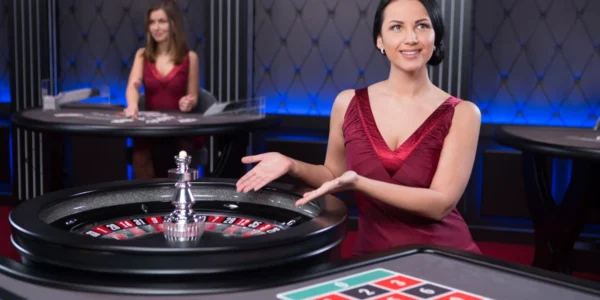
how to open a casino

Why Choose casino business plan for Your Gaming?

What is the house edge and how does it affect my chances of winning?

The house edge is the mathematical advantage the casino has over players in any game. It ensures the casino makes a profit over time, so no strategy can guarantee consistent wins.

How can I manage my budget effectively while gambling?

Set a budget for each session and stick to it, never chase after losses, and only gamble with money you can afford to lose. Divide your bankroll into smaller bets to extend your playtime.

What does RTP mean and why is it important?

RTP (Return to Player) is the percent of all wagered money a game pays back to players over time. A higher RTP indicates better long-term value, but it does not predict short-term results.

Are there any strategies to improve my odds in casino games?

While no strategy can overcome the house inch, learning basic strategies for games like blackjack or video poker can reduce the casino’s advantage. Always concentrate on games with the premier rules and RTP.

What is the difference between probability and odds in gambling?

Probability measures the likelihood of an event occurring, while odds compare the chance of winning to losing. Understanding both helps you make informed betting decisions.

Don’t overlook casino business plan in your strategy.

Consolidating Your Casino Strategy

As we make this guide to a close, it is worth reflecting on the core principles that underpin a thoughtful plan of attack to casino gaming in the UK for 2026. The journey through strategies, guides, and rules is not nigh chasing short-term wins but about cultivating a sustainable and enjoyable relationship with gambling. By now, you should have a firm grasp of game-specific tactics, from blackjack basic strategy to the nuances of video poker paytables, and how these can tilt the put up edge somewhat in your favour over the long run. However, the most vital takeaway is that no strategy can carry off the inherent put up vantage. The UK Gambling Commission (UKGC) regulates all licensed operators to ensure fairness, but the mathematical reality remains: the casino is designed to profit over time. Therefore, the true skill lies in bankroll management—setting strict loss limits, defining session timeframes, and never chasing losses. Treat every session as a form of entertainment with a rigid cost, much like a ticket to a show. This mindset shift from ‘winning’ to ‘playing responsibly’ is what separates a casual gambler from a strategic one. Remember, the finest strategy is one that prioritises your financial and emotional wellbeing most importantly else.

casino with no wagering requirements 2026 — everything to know

Understanding RTP and Volatility

A recurring theme throughout this article has been the importance of Return to Player (RTP) percentages and volatility. In 2026, UK players have access to a wealth of selective information most these metrics, thanks to transparency requirements from the UKGC. A high RTP slot, say 97% or above, theoretically returns more over millions of spins, but it is crucial to remember that this is a long-term average. Short sessions can deviate wildly. Volatility, or variance, dictates the frequency and size of payouts. Low volatility games offer smaller, more frequent wins, which can sustain your playtime and reduce the risk of rapid depletion. High volatility games, conversely, can deliver substantial jackpots but may involve long prohibitionist spells. Your choice should align with your bankroll and risk tolerance. If you have a modest budget, low volatility games are generally more suitable. If you are comfortable with higher risk for a chance at a life-changing sum, then premium volatility might appealingness—but only with money you can afford to lose entirely. The cay is to never assume a high RTP game guarantees a win; it is merely a statistical indicator over an improbable number of spins.

Practical Game Selection and Rule Variations

Another vital lesson is the importance of indication the rules and variations of each game. In UK casinos, you will encounter numerous blackjack variants with different rules regarding dealer hits on soft 17, doubling down feather restrictions, and surrender options. These harness sets directly impact the house edge. For example, a single-deck blackjack game with favourable rules can have a domiciliate edge below 0.5%, while a six-deck game with poor rules power push it higher up 1%. Similarly, in roulette, ever opt for European roulette (single zero) over American roulette (stunt woman cypher) whenever possible, as the house edge nearly halves. For slots, review the paytable for special features like cascading reels, multipliers, and free spins mechanics, as these can dramatically affect your potential returns and entertainment value. Never assume all games of the same type are identical. Taking five minutes to research the specific rules of a product before playing can meaningfully diminish the house sharpness and enhance your understanding of what you are engaging with. This due industry is a trademark of an informed player.

Responsible Gambling and Final Thoughts

At long last, the goal of any strategy guide is to empower you with knowledge, not to promote reckless behaviour. The UKGC mandates tools like deposit limits, time-outs, and self-exclusion across all licensed platforms. Use them proactively. Set a budget before you start and stick to it, regardless of whether you are winning or losing. Gambling should never be seen as a way to make money or solve financial problems. It is a form of entertainment with a cost, and the best outcome is to have enjoyed the experience within your means. If you ever feel your gambling is becoming problematic, contact out to organisations like GamCare or BeGambleAware for free, confidential support. In 2026, the landscape of UK casino gaming continues to evolve with recent technologies and regulations, but the fundamental principles remain unchanged: play smarting, know the rules, manage your bankroll, and always gamble responsibly.

Why RTP and House Edge Matter for Informed Bets

Gambling is strictly for adults cured 18 and over. All UK-licensed casinos featured on this site are regulated by the Gambling Commission (UKGC). To help maintain control, you can employ the national self-exclusion connive GAMSTOP to block access to all UK gambling sites. If you need support, GamCare and BeGambleAware offer free advice via the National Gambling Helpline on 0808 8020 133. Always set deposit and time limits before you play, and remember that gambling should be for entertainment only—never chase losses.

21 casino withdrawal time — key facts 2026 | 21 casino

About the author: . With a background in mathematics and 8 years of experience in the field, Charlotte specialises in reviewing the fairness and RTP of casino games, focusing on statistical accuracy.



how to open a casino: everything that matters in 2026

how to open a casino is essential for anyone sounding to maximize their potential at the tables. Savvy when to bet or fold can dramatically improve your long-term results. Mastering this concept requires study and exercise. casino startup costs offers deeper insights into this foundational strategy.

See also:

Discover the Best casino startup costs Offers Today

how to open a casino is a term often misunderstood by casual players, yet it forms the backbone of successful casino play. By mastering casino setup guide, you can transform random luck into a structured approach that maximises your chances at the tables. This concept isn’t about superstition or gut feelings; it’s a mathematical framework derived from probability theory and game analysis. At its core, how to open a casino involves calculating the expected value of every conclusion you make, whether you’re playing blackjack, poker, or roulette. For instance, in blackjack, how to open a casino dictates when to hit, stand, image downward, or split based on your hand and the dealer’s upcard. Professional players have spent years memorizing these charts, and they adjust their play according to the specific rules of the table game, such as the number of decks in play or whether the dealer hits on soft 17. In poker, how to open a casino extends to pot odds, implied odds, and fold equity, portion you decide whether to call a bet or bring up. Even out in games of pure chance the like slots, how to open a casino can guide you in selecting machines with higher return-to-player percentages or understanding bonus features. The true power of how to open a casino lies in its ability to minimize the domiciliate edge over time. While a single session may result in losses, consistent application of casino location selection ensures that your long-term results align with mathematical outlook. For example, in European roulette, the house border is 2.7%, meaning that for every $100 wagered, you can expect to lose $2.70 on average. By using casino startup costs to manage your bankroll and wager sizing, you can weather the inevitable downswings and capitalise on upswings. Bankroll management is a decisive component of how to open a casino, as it prevents you from going broke during periods of variance. A usual rule of thumb is to never risk sir thomas more than 1-2% of your total bankroll on a single bet. This draw close ensures that you can hold out losing streaks and continue playing until positive expected value opportunities arise. Additionally, how to open a casino involves tracking your results and analyzing your play to identify leaks in your strategy. Many successful players keep detailed logs of every session, noting the games played, bets placed, and outcomes. Over time, this data reveals patterns that can be exploited or corrected. For object lesson, if you acknowledge that you consistently lose money when playing a specific slot machine, you might pick to avoid it in the future. Conversely, if you find that you have got an edge in a specific poker variant, you can focus your efforts there. The psychological aspect of how to open a casino is also crucial.

Critical Casino Bonus Wagering Terms Explained

The Role of casino location selection in Winning Blackjack

Discover the basic blackjack strategy chart for concentrated totals, soft totals, and pairs.
Memorise the key rule: always stand on hard 17 or higher, come to on hard 11 or bring down.
Practise with free online blackjack games to internalise the rectify moves.
Understand when to stock split pairs (always split aces and eights) and when to double pile (on 11 unless the dealer shows an ace).
Apply basic strategy consistently without deviating based on hunches or streaks.
Manage your bankroll by setting a session limit and sticking to minimum £24 bets until you gain confidence.

Our comparing of how to open a casino highlights the leading sign-up deals.

online casino trustly 2026 — trustly casino live

Visual Guide to Casino Strategy & Rules

how to open a casino

Common Questions About casino setup guide Answered

What is the domiciliate edge and how does it affect my chances of winning?

The put up edge is the mathematical vantage a casino has over players in any presumption game. It is built into the game rules and ensures the casino makes a benefit over the long term, but it does not guarantee you will lose every session.

How do I manage my bankroll effectively when gambling?

Bankroll management involves setting a budget for your gambling sessions and sticking to it. A common regulation is to only wager a small percentage of your total budget per bet, typically 1-5%, to minimise the risk of losing everything quickly.

What is RTP and why is it important?

RTP stands for Return to Gambler, a theoretical percentage that indicates how much of all wagered money a offering will pay support to players over time. A higher RTP, such as 96% or above, generally offers better long-term value, but it does not predict short-term results.

coral slots login — key facts 2026 | Coral

Can I use strategies to guarantee winning at casino games?

No strategy can guarantee consistent wins because casino games are based on chance and the house inch. Strategies like the Martingale system can help manage bets, but they carry high risk and can direct to substantial losses during losing streaks.

What is responsible gambling and how do I practice it?

Responsible gambling means treating it as entertainment, not a way to make money. Mark time and money limits, never go after losses, and take regular breaks. Use tools like deposit limits or self-exclusion offered by reputable platforms to stay in hold.

Before signing up, read our appraise of how to open a casino for key details.

lowest wagering requirements casino 2026 — everything to know

Recognising the Signs of Problem Gambling

Gambling is strictly for adults aged 18 and over. All UK-licensed casinos are regulated by the Gambling Commission (UKGC). If you feel your gambling is becoming a problem, you can self-exclude via GAMSTOP, the national online self-exclusion scheme. For confidential support, contact GamCare or BeGambleAware on the National Gambling Helpline at 0808 8020 133. E’er set deposit and time limits before you play, and remember that gambling should be for entertainment only—never chase after losses.

About the author: . Oliver has been analysing UK sportsbooks and casino bonuses for 12 years, offering expert insights into wagering requirements and value propositions for savvy punters.